

May 28, 2026
Why Sports’ Biggest Moments Are Rewriting the Athlete Playbook
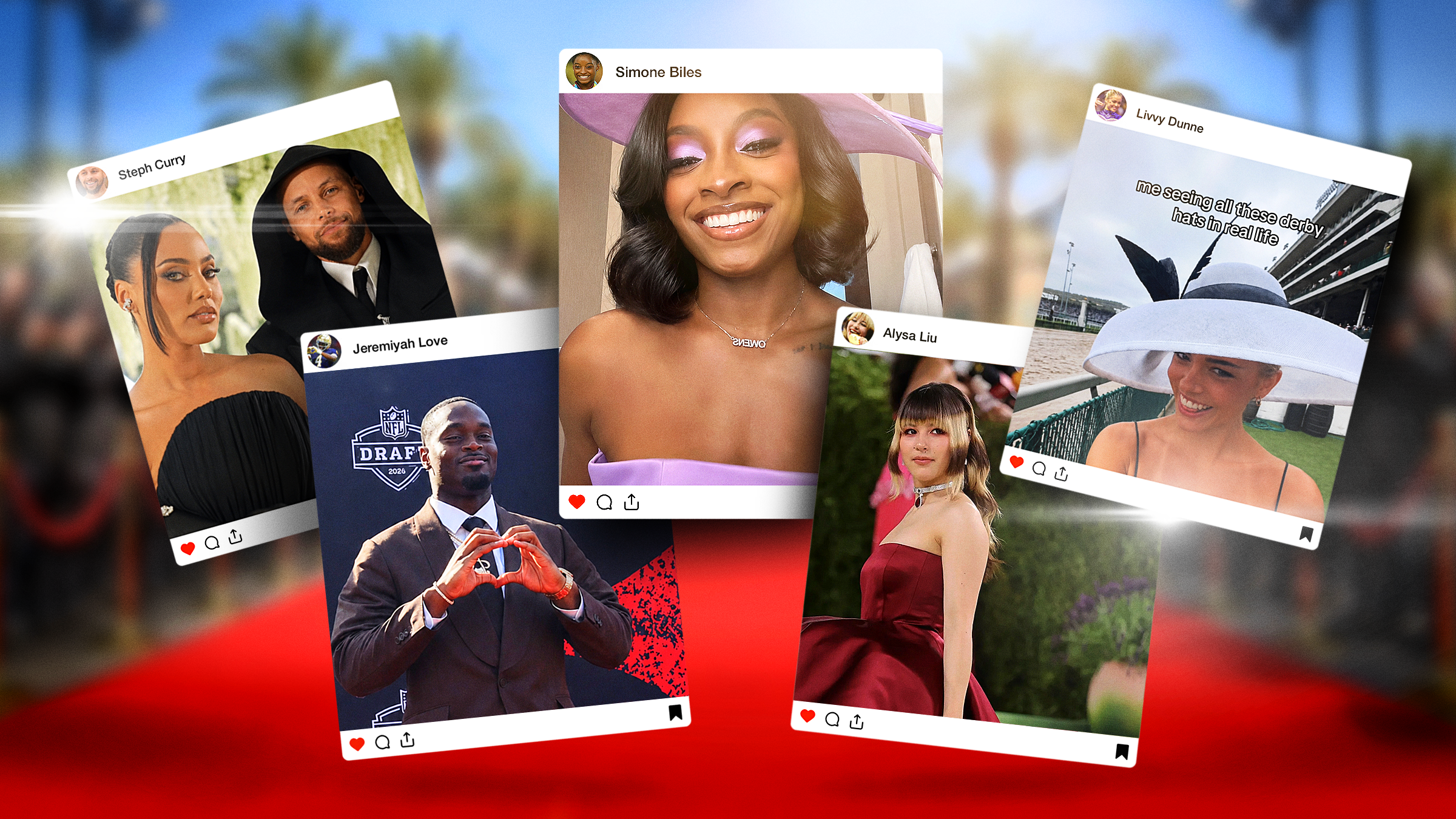
Every spring, something pretty extraordinary happens across the cultural calendar. The NFL Draft, the Met Gala, and the Kentucky Derby all land within a matter of weeks, and for the past several years, the through line connecting all three has been athletes. They’ve become central figures driving headlines, social conversation, and brand value across fashion, entertainment, and lifestyle culture.
For social leaders in sports and entertainment, this convergence matters because it reflects where athlete influence is heading and how sports content strategy continues to evolve. The lines between sports, fashion, entertainment, and lifestyle culture are getting tighter, creating new expectations for how brands build content, distribute stories, and stay relevant in the broader cultural conversation.
Athletes Are Entertainment IP Now
The framing shift that matters most is this, the modern athlete doesn’t live inside a single content vertical. Their cultural footprint spans sports media, fashion, music, film, and lifestyle, and the Draft, the Gala, and the Derby illustrate that reality better than any other stretch on the calendar.
When Shedeur Sanders wore a custom diamond chain worth over $100K to his 2025 NFL Draft watch party, the moment generated as much social conversation as his actual selection. When LeBron James was named an honorary co-chair of the 2025 Met Gala alongside Lewis Hamilton, A$AP Rocky, and Pharrell Williams, it confirmed that fashion’s biggest night has fully become a shared space where sports and entertainment intersect publicly and intentionally. And when Simone Biles served as the Riders Up announcer at the 151st Kentucky Derby while athletes and influencers turned Churchill Downs into a content destination, it underscored that the Derby’s cultural footprint now extends well beyond horse racing.
@bleacherreport Shedeur fitted for Draft night 🔥 (Via @Colorado Buffaloes Football) #nfl #nflfootball #football #nfldraft ♬ original sound - bleacherreport
@nbcolympics A beautiful Riders Up from Simone Biles. #kentucky #horses #simonebiles ♬ original sound - NBC Olympics & Paralympics
The takeaway for social leaders is that athlete content strategies built around game recaps and highlight clips are leaving significant engagement on the table. The athletes themselves are moving across cultural moments, and the content infrastructure around them needs to move with them.
The Social Conversation Doesn’t Stay in One Lane
One of the clearest lessons from this convergence is that social conversation during these events does not respect platform categories or vertical silos. An athlete’s outfit at the NFL Draft trends on fashion forums. A Derby appearance by an NBA player circulates through lifestyle accounts. A Met Gala look from a football player gets picked up by entertainment publications that have never covered a football game.
@yahoosports Carmelo Anthony showing off his fit 🙌 #kentuckyderby #melo #carmelo #carmeloanthony ♬ original sound - Yahoo Sports
@nfl fire fits all around 🕺 #nfl #nfldraft ♬ original sound - NFL
@espn #JustinJefferson didn’t come to play at this years #MetGala 🔥 #nfl @Sports(ish) ♬ original sound - ESPN
Deloitte’s research on social media and sports found that 42% of social media users follow sports and recreation topics on social platforms, and that users now follow an average of 13 creators but only seven brands. Audiences are following people, and athletes with strong personal brands generate engagement across audiences that extend well beyond traditional sports fans. The implication for social strategy is significant. If a team, league, or brand is only distributing athlete content through sports-specific channels, they are reaching a fraction of the potential audience that the content could touch.
Social leaders at sports organizations need to be building distribution strategies that account for where athlete content lands organically, and then amplifying into those spaces proactively. That means coordinating with entertainment and lifestyle platforms, thinking about timing relative to non-sports cultural moments, and investing in the kind of storytelling that travels across verticals.
Entertainment and Streaming Are Finally Paying Attention
For social leaders on the entertainment and streaming side, the athlete crossover moment is an open door that the most forward-thinking organizations are already walking through. Sports stars are being cast in films, signing with major labels, building production companies, and accumulating audiences that rival or exceed those of traditional entertainment talent.
@hbomax Need his commentary on everything. #Euphoria #MarshawnLynch ♬ original sound - HBO Max
As Sports Business Journal has reported, athlete-led content is impossible to ignore, from the Kelce brothers’ New Heights podcast securing a $100M Amazon deal to Cristiano Ronaldo launching a YouTube channel with over 75 million subscribers. These are structural shifts in how athlete IP travels across platforms and industries. For entertainment brands, athlete collaborations have become a consistent driver of audience growth, cultural relevance, and long-term engagement.
Brand Innovators has documented how marketers are taking notice of sports and entertainment crossovers, noting a significant rise in major brand moments at events like the U.S. Open and New York Fashion Week that allow sport and fashion brands to reach wider, more culturally engaged audiences. When an athlete drives conversation during a non-sports cultural moment, they are introducing their sports audience to an entertainment brand and vice versa, and that cross-pollination has measurable value.
@offball.news The NBA 🤝 The US Open 🏀🎾 #fyp #USOpen #NBA ♬ DON`T STOP - Slowed++ - GLXXMSTRIDER
@nbcolympics There’s a goat at New York Fashion Week. 🐐⚡️ (🎥 @usainbolt) #newyorkfashionweek #usainbolt #nyfw #goat #trackandfield ♬ original sound - NBC Olympics & Paralympics
What Smart Content Strategy Looks Like During Convergence Weeks
The organizations winning the social conversation during weeks like NFL Draft week or Derby weekend are doing a few things consistently well. They are planning content around the athlete as a full person, not just a player. They are coordinating timing so that athlete-driven lifestyle content lands when the broader cultural conversation is most active. And they are building internal workflows that allow social teams to move quickly when an organic moment surfaces, whether that is an unexpected outfit, a celebrity sighting, or a behind-the-scenes detail that the internet decides to latch onto.
Adobe’s research on the future of sports fandom found that athletes on social media platforms generate an average engagement rate of 5.6%, significantly higher than the 2.4% average for standard influencers, and that 72% of fans engage more when their favorite athlete is featured in content. Those numbers only grow when athlete content is distributed during high-attention cultural moments that extend the reach beyond a team or league’s core audience.
The Bigger Picture
This cultural convergence is a reflection of how thoroughly the boundary between sports and entertainment has dissolved at the level of athlete identity and audience behavior. The athletes who dominate conversation during the Draft, the Met Gala, and the Derby are doing one job with an expanded surface area, and the social strategies built to support them need to match that reality.
For social leaders on both sides of the sports and entertainment divide, the opportunity is the same, build for the athlete as a cultural whole, distribute into every space where their audience already lives, and treat the convergence moments on the calendar as proof points for why that approach is the right one.
If you are looking to build a social strategy that moves as fast as the cultural moments your athletes are already living in, reach out to STN Digital to start the conversation.