

June 11, 2026
How the Knicks Turned a Finals Run Into a Cultural Moment
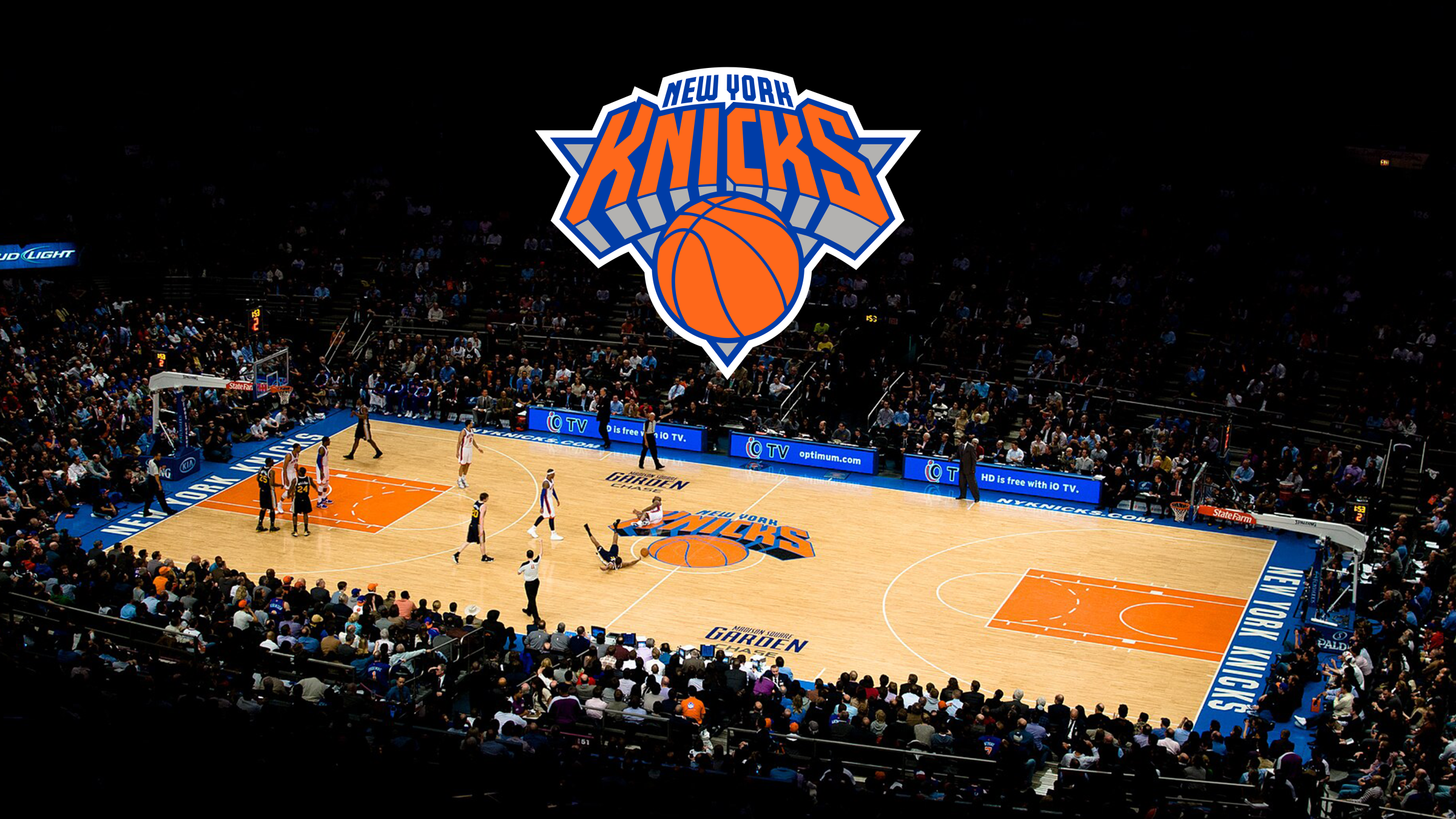
The New York Knicks are playing in the NBA Finals for the first time since 1999, and the cultural moment surrounding this run is generating something far bigger than typical playoff buzz. The courtside seats at Madison Square Garden have become a live social content engine, with Timothée Chalamet and Kylie Jenner showing up to nearly every game. Jordyn Woods, fiancée of Knicks star Karl-Anthony Towns, and Jenner were photographed hugging and celebrating together as the Knicks completed a sweep of the Cleveland Cavaliers to advance to the Finals. That image went viral across entertainment, fashion, and sports media simultaneously. For anyone leading social strategy, the real question is whether your organization knows how to convert casual fans when the moment arrives.
From Ben Stiller to Adam Sandler to Spike Lee, and countless other longtime Knicks fans, celebrities, and New Yorkers alike have shown up in full force for this Finals run. Their presence has brought an added wave of excitement and nostalgia, reminding fans of the Knicks’ last trip to the NBA Finals in 1999. For many, this run feels like a celebration of New York City itself.
@entertainmenttonight This is what the NBA Finals looked like in 1999 — and ET was courtside at MSG for Game 4 between the Knicks and Spurs. #newyorkknicks #sanantoniospurs #nbafinals ♬ original sound - Entertainment Tonight
The Knicks’ situation offers a clear look at what happens when a franchise’s long-standing cultural footprint finally syncs up with on-court success. Understanding that intersection, and what it means for audience growth, content strategy, and fan conversion, is exactly what separates teams that capitalize on these moments from those that just enjoy them.
A Cultural Footprint That Predates the Winning
The Knicks have held a specific place in pop culture for decades that has nothing to do with their playoff record. Madison Square Garden shows up in rom-coms, stand-up specials, and New York montages the way Central Park does. The franchise is a shorthand for New York City itself, which means its cultural reach has always extended beyond the traditional sports audience.
The famous Knicks game scene in How to Lose a Guy in 10 Days centered on front-row NBA Finals tickets as a culturally legible symbol of New York dating life. The same is true for Trainwreck, which filmed numerous scenes at New York Knicks games and throughout Madison Square Garden, including courtside and on-court sequences featuring Knicks players and cheerleaders. When a franchise’s identity is woven into pop culture this way, you build brand awareness in audiences who’ve never watched a full quarter of basketball, and that awareness becomes an asset the moment the team starts winning.

@primevideo A girl needs her drink. 🎥: #HowToLoseAGuyIn10Days, ♬ original sound - Prime Video
@espnw ICON BEHAVIOR 🤩 @Amy Schumer Official #amyschumer #knicks #cheerleaders #trainwreck #nba ♬ original sound - espnW
That’s exactly what’s happening right now. The Knicks have won 13 consecutive playoff games entering the Finals, and the entire city has come alive around it. People who know the franchise from films, from living in New York, from following Jordyn Woods on Instagram, or from watching Timothée Chalamet interviews are suddenly tuning in with genuine stakes. The cultural familiarity was already there.
Celebrity Courtside as a Content Distribution Channel
Social leaders should think carefully about what celebrity courtside attendance actually does in 2026. It’s a content distribution channel that reaches audiences, no broadcast deal, no media buy, and no organic post can replicate on its own.
Kylie Jenner and Chalamet have made multiple courtside appearances throughout the Knicks’ playoff run, regularly drawing coverage across entertainment media, fashion publications, and social platforms that have nothing to do with sports. When ESPN cameras catch that moment of Jenner and Woods grabbing each other’s hands and jumping up and down in celebration, that clip moves through audiences who’ve never once searched for NBA scores. Their combined social followings are enormous, but the more valuable thing is the type of audience that follows them. It skews younger, skews female, and skews toward entertainment culture rather than sports culture. Those are exactly the audiences the NBA has been working to reach.
Jordyn Woods’ custom Knicks fits have become their own content thread through this postseason, with fashion-focused media covering her game-night looks the same way they’d cover a runway appearance. That fit coverage has generated its own engagement cycle completely separate from the game results, pulling fashion audiences into a moment they’d typically never engage with. When a WAG’s outfit is driving media coverage, that franchise has earned attention in spaces where most sports teams simply don’t exist.
Spike Lee’s been in his courtside seat for thirty years. Ben Stiller, Tracy Morgan, Larry David, Bad Bunny, and Chalamet all rotating through the same few rows creates a celebrity ensemble that reads less like a guest list and more like a cultural event. The broadcast picks up on it, the clips circulate, and the celebrity presence validates the moment for audiences who use cultural signaling to determine what’s worth paying attention to.
@nba 🏆 Celebs are out in full force ahead of Game 4 in MSG 🏆 #NBAFinals #NBA #Basketball #TaylorSwift #Knicks ♬ original sound - NBA
The Bandwagon Is an Audience to Convert
Somewhere along the way, sports culture developed a weird hostility toward bandwagon fans. Teams and their existing fanbases sometimes treat casual enthusiasm as inauthentic, something to be politely tolerated rather than actively welcomed. That instinct is both understandable and strategically backward.
When the Knicks clinched their Finals berth, the reaction across social media was genuinely open-armed, with fans explicitly inviting newcomers onto the bandwagon rather than gatekeeping it. The energy circulating on social platforms reflected something real: the people who’ve been watching this team through painful years genuinely wanted to share the moment. That openness is an invitation a social team can work with.
Bandwagon fans who arrive during a Finals run are the most convertible audience a franchise will ever encounter, their interest is real, even if it’s new. They’re emotionally engaged in a way that passive brand awareness never produces. They’re watching games, following players, buying merch, and consuming content at an elevated rate. The window to turn a temporary spike in attention into a durable fanbase is narrow, but it’s real, and it requires intentional strategy.
The Knicks’ content team, and the NBA’s broader social team, have an opportunity right now that doesn’t come around often. The 2026 NBA Playoffs are delivering an average of 3.91 million viewers per game across broadcast and streaming, with viewership at its highest level in over three decades. The Finals matchup between New York and San Antonio carries enormous commercial interest because both markets generate passion, and because the Wembanyama-versus-a-historic-Knicks-team narrative gives casual fans a clear story to follow without needing years of basketball context.
What Fan Conversion Requires During a Moment Like This
The social strategy that converts a bandwagon fan into a real one operates differently from the content strategy you’d run for a core fanbase. Hardcore fans want depth, history, and insider access. Casual fans who arrived through celebrity culture, pop cultural associations, or the excitement of a city in playoff mode need something different. They need onboarding.
Player storytelling matters enormously here. Jalen Brunson’s narrative, a second-round pick who became the Knicks’ franchise cornerstone and is now the Eastern Conference Finals MVP, is exactly the kind of underdog arc that translates to audiences with no prior basketball context. Karl-Anthony Towns, who arrived in New York in a trade and is now engaged to Jordyn Woods with a Finals appearance to celebrate, has a personal storyline compelling enough for entertainment media to follow on its own. Both are human stories with basketball as their backdrop, and that’s what casual audiences can actually hold onto.
@nimanjames Brunson really had the greatest come up story in NBA history 🥹🗽 #jalenbrunson #newyorkknicks #edit #nimanjames ♬ original sound - nimanjames
The teams winning this conversion battle are creating content that meets new fans at the level of their actual interest. If someone came to this moment through Kylie Jenner’s TikTok, giving them front-door access to Jalen Brunson’s pregame ritual serves them better than a deep statistical breakdown. If someone showed up because their city is buzzing, connecting them to the community energy around the team, the neighborhood bars, the fan gatherings, the collective nervous energy of a city that hasn’t been here in 27 years, gives them something to belong to rather than just watch.
Exclusivity of experience plays a role, too. Social-first content that makes someone feel like they’re inside the moment, behind the scenes of a locker room celebration, in the crowd when the arena erupts, following a player’s mindset through a must-win game, generates the kind of attachment that survives the playoffs ending. That attachment is what shows up next October when the regular season starts.
What the Platform Landscape Is Doing With This Moment
The NBA has built its digital infrastructure to amplify exactly this kind of breakout cultural moment. The league’s Tap to Watch feature drove nearly 20 million live game streams in its first season, with national broadcasts making up the majority of that engagement, driven significantly through social platforms and the NBA App. The integration between social content and live game access has shortened the path from “I saw a clip on Instagram” to “I’m actually watching the game.”
TikTok, Instagram Reels, and YouTube Shorts have become the primary discovery layer for casual sports fans. Someone following Jordyn Woods on Instagram watches a courtside clip, sees KAT make an insane play, clicks through to a highlight package, and ends up watching Game 3 of the Finals. That journey happens every day during a run like this, and it happens faster than it ever has because the platform infrastructure is built to facilitate it. The content that intercepts casual viewers at the moment of initial interest, the celebrity clip that then delivers a player highlight that then delivers an emotional story beat, is the content that converts.
What’s interesting about this specific moment is how many distinct cultural entry points exist into the Knicks’ story. The Kylie-Jordyn friendship reunion has its own audience. The Chalamet courtside fandom has its own audience. The underdog-city-wakes-up narrative has its own audience. Jalen Brunson’s pure basketball excellence has its own audience. Each of those threads needs its own content approach, its own platform context, and its own story arc, but they can all eventually converge into the same fanbase if the strategy is intentional about making that happen.
The Long Game Behind the Bandwagon
What makes this moment genuinely strategic rather than just exciting is the timing of it relative to the Knicks’ roster construction. Jalen Brunson is 29, Karl-Anthony Towns is 30, and the core of this team is positioned for a sustained window of competitive excellence, which means the casual fans acquired during this Finals run have a real opportunity to stay. A fan who gets hooked during a championship run and then watches that team remain competitive for several more years becomes a durable fan. That’s the best possible outcome for a franchise investing in audience growth.
The economic numbers around this run are staggering on their own. Seven home playoff games generated an estimated $195 million in economic activity for New York City before the Finals even began. But the social value of a deep playoff run, the followers added, the engagement generated, the cultural conversations entered, the new fans onboarded, compounds over time in ways that are harder to quantify and potentially more durable than any single revenue figure.
The franchises that handle these moments best don’t treat the bandwagon fans as a temporary phenomenon to be serviced until the season ends. They treat them as the beginning of a long-term relationship and build the content strategy accordingly. The Knicks have a 27-year gap between Finals appearances on one side, and hopefully a sustained championship window on the other. Everyone who joins now is joining at the start of something, and making them feel that way is the whole point.
What Social Leaders Should Take From This
If you’re leading social strategy for a sports or entertainment brand, the Knicks’ moment offers a few things worth sitting with.
Cultural footprint built outside of performance pays off when the performance arrives. The decades of film appearances, celebrity associations, and city identity the Knicks accumulated during years of losing made people feel a strong connection built over decades. That pre-existing emotional texture is why this run has the cultural weight it does. Brands that invest in cultural presence during ordinary moments are better positioned to capitalize on extraordinary ones.
Celebrity adjacency has changed how sports content is distributed. A Kylie Jenner courtside appearance doesn’t reach sports fans. It reaches fashion audiences, entertainment audiences, celebrity culture audiences, and Gen Z audiences who decide what to pay attention to based on who else is paying attention. That distribution function is real and worth accounting for in any content strategy around live events and tentpole moments.
Fan conversion windows are short and require a specific strategy. The casual fans arriving now won’t stay if they don’t receive content that meets them where they are. Player storytelling, community belonging, accessible entry points, and emotional hooks built around things beyond box scores are all part of converting temporary enthusiasm into lasting fandom.
The bandwagon is wide open, the smart move is to build a door.
Seizing the Moment Takes More Than Showing Up
Every organization recognizes a moment like this when it’s happening. Fewer have the strategy, the creative firepower, and the platform intelligence to capitalize on it at the speed these moments require. The difference between posting content during a cultural spike and actually converting that spike into audience growth often comes down to whether the team behind it understands what they’re doing and why.
If your brand is sitting inside a cultural moment, a breakout season, a viral storyline, or an audience inflection point and needs to execute at the level the moment demands, that’s a conversation worth having.
Talk to STN Digital, we work inside these moments every day, and we know exactly how to turn cultural energy into durable audience growth.